Okay, so check this out—I’ve been messing with cold storage for years, and the scene changed faster than I expected. Whoa! The good old days of juggling twelve seed phrases are over. Seriously? Yes. My instinct said the next leap would be about usability, not just security, and that turned out to be true.
Here’s what bugs me about early hardware-wallet workflows: they forced you into silos. Short sentences help. You’d have one device for one coin family, another for a different family, and reconciliation felt like bookkeeping in the wrong century. On one hand the isolation reduced attack surface; though actually it made human error more likely, because people lost track of which phrase belonged to what. Initially I thought separate seeds were safer, but then realized consolidated multi-currency support reduces user mistakes if implemented right—because people are human, and humans forget.
Whoa! Managing a dozen tokens across wallets felt fragile. Hmm… My gut said that if the interface treats assets like islands, owners will mishandle the bridges between them. So I started testing devices that could hold many currencies, and I saw immediate behavioral changes—less frantic address copying, fewer manual CSVs, and portfolios that actually matched reality. I’m biased, but that relief is underrated.
Now, the technology truth: supporting many chains is nontrivial. Short. Devices must store multiple derivation paths. They must sign vastly different transaction formats. They must avoid blowups when firmware updates touch key storage. Longer sentence coming that ties those technical constraints back to the human layer—because the wallet’s UX needs to hide all that complexity while still making advanced options available for power users who know what they’re doing and want to tinker without breaking everything.
Why multi-currency matters for real security
Think of multi-currency hardware wallets as a safe with many compartments. Wow! You can keep Bitcoin in one slot, Ethereum and tokens in another, and layer-2 positions tucked away too. On the surface that sounds like convenience, and it is—but it also reduces risky ad-hoc behavior that leads to hacks, like moving everything through a hot wallet to trade. Actually, wait—let me rephrase that: the reduction in risky behavior is the security win, not the ability to view balances on a single screen.
My practical test was blunt. I consolidated small positions from five chains into one hardware device that supported them all. What happened surprised me: I made fewer dumb moves. Really? Yes. When you can see your total exposure, you trade less on impulse. On one hand a single-pane view could lead to overconfidence, though on the other it helps people notice anomalies faster—strange outgoing transactions show up in the ledger history and you stop the bleed sooner.
Here’s the thing. Integration with portfolio management tools matters too. If your device can export signed proofs or provide consistent addresses across apps, you can manage rebalancing securely. I tried linking my device to desktop portfolio trackers and the difference was night and day: reconciliation that used to take hours collapsed to minutes. Something felt off at first—sync problems, then firmware hiccups—but overall the workflow was massively improved.
Practical security trade-offs and what to watch for
There are trade-offs. Short. More supported currencies increase attack vectors in theory because the firmware and companion apps grow complex. Hmm… My fast reaction was nervousness—complexity usually means bugs. But careful design minimizes that risk. On one hand you want wide support; on the other you don’t want bloated attack surfaces. So choose vendors that publish clear firmware change-logs and let you verify builds independently.
Also, multi-currency doesn’t mean single-seed laziness. Wow! You should still treat seed security as sacred. Keep redundancy—air-gapped backups, metal backups for the seed, and robust passphrase practices if you use them. I’m not 100% sure every user needs a passphrase, but for high-value portfolios it’s often worth the cognitive lift. And those who say “I can just store my seed as a photo”—no, no, absolutely don’t.
One practical tip: test restore flows. Short. Seriously, test them. Restore a spare hardware unit from your backup before you need it. My instinct told me this was overkill, but after a scrambled recovery attempt during a hardware failure, I’m evangelical about dry runs. They reveal subtle issues like derivation path mismatches or firmware-interoperability quirks.
Workflow and portfolio management—how it changes decisions
If you manage exposure across tokens, multi-currency support simplifies rebalancing. Short. You can plan tax lots, consolidate staking positions, and migrate assets without opening everything up on an exchange. Initially I thought the main benefit would be convenience. But then I realized convenience turns into discipline; less friction means you follow your plan more often. On the downside, low friction can also mean faster mistakes if you rush—so keep approvals strict.
My setup pairs a hardware wallet with a desktop tracker and a ledger of manual notes (yes, analog). That sounds old-fashioned, but it reduces blind spots. Here’s the thing—software can lie, but a physical note will remind you of why you made a move months ago. Oh, and by the way… always timestamp trades and notes. You’ll thank yourself when you audit performance.
For secure trading flows, use companion apps that support native signatures. For example, a good desktop companion will ask for explicit device confirmation of each operation—address, amount, chain. If the wallet shows a wrong address, you stop. If it shows the right address, you’re good. I like that tactile verification. It forces a moment of attention.
Recommendations and a small toolbox
Short. Use a hardware wallet that actively supports the chains you hold. Use an audited companion app. Back up seeds to metal. Test restores. Keep one cold storage for long-term holdings and a second for active positions. I’m biased, but that’s my everyday system. Something I recommend often is integrating with desktop portfolio software that can read device addresses without asking for private keys—this reduces risk.
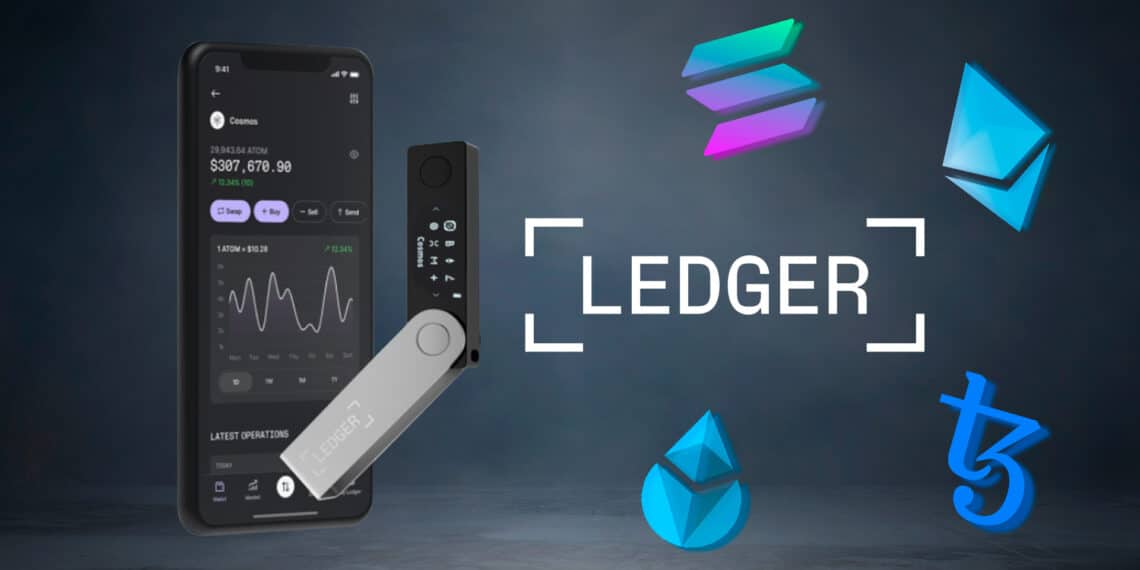
If you want an accessible starting point that ties device management and portfolio tracking together, check out ledger live—it feels polished for multi-currency users and makes certain tasks surprisingly smooth. I found the experience of pairing a hardware device and seeing all my assets in one place oddly calming. Not a sales pitch—just personal observation.
FAQ
Is a multi-currency hardware wallet less secure?
No, not inherently. Short. Security depends on the device’s implementation and your practices. On one hand broader support adds complexity; though actually, good vendors compartmentalize features to limit risk. Test restores and follow best practices.
Should I use one seed for all assets?
It depends. A single seed is convenient and reduces user error, but adds blast-radius risk if exposed. Consider threat modeling: if you need compartmentalization for estate planning or business use, use multiple seeds. I’m biased toward a single secure seed for personal portfolios, but split for advanced needs.
How do I verify my portfolio data safely?
Use read-only address imports and avoid exporting private keys. Short. Verify balances on multiple independent explorers when something looks off. If you use a tracking app, keep its permissions minimal.